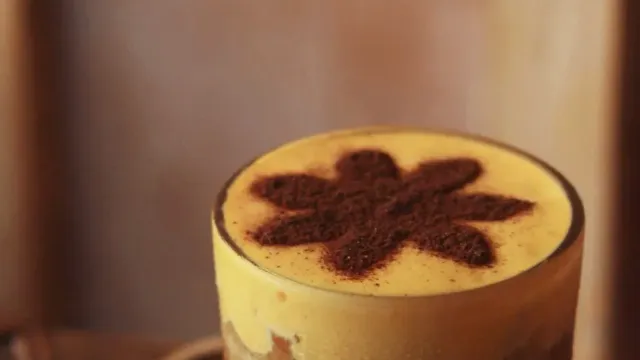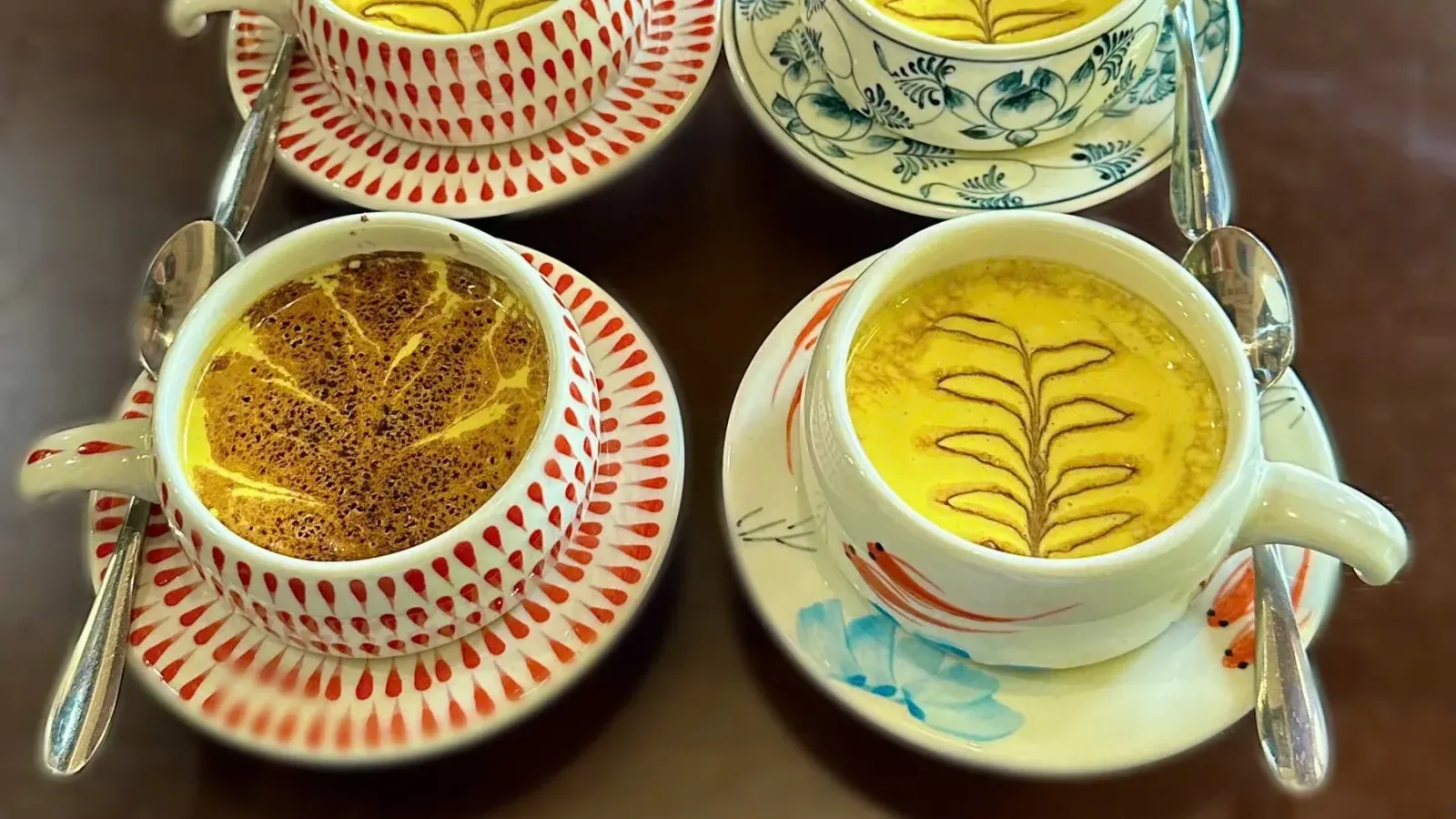
Sample article. The text below is placeholder copy so you can see how the blog components behave. Delete this post and write your own — see
docs/CONTENT-model.md.
What roasting actually does
A green coffee bean tastes of nothing much — grassy, vegetal, slightly sour. Roasting drives out moisture, then triggers the Maillard reaction and finally caramelisation. The aromatic compounds that make coffee taste like coffee are built during those minutes; they do not exist in the raw seed.
Around 196°C the bean’s internal pressure splits its structure with an audible pop. This is first crack, and it is the earliest point at which coffee is worth drinking. Everything roasters argue about happens in the two to four minutes after it.
Light, medium, dark
Light roasts are stopped shortly after first crack. They keep the acidity and the aromatics specific to where the coffee grew — the florals of a Yirgacheffe, the red fruit of a washed Kenyan.
Medium roasts run longer. Acidity drops, body increases, and origin character shares the cup with caramel and nut notes created by the roast itself.
Dark roasts approach or pass second crack. Oils migrate to the surface, origin character largely disappears, and what remains is roast flavour: cocoa, smoke, sometimes ash.
| Roast level | Drop temperature | Acidity | Body | What you taste | Brews best as |
|---|---|---|---|---|---|
| Light | 196–205°C | High | Light | Florals, citrus, red fruit | Filter, pour-over, phin |
| Medium | 210–219°C | Medium | Medium | Caramel, nuts, cocoa | Anything — the safe default |
| Medium-dark | 220–225°C | Low | Full | Dark chocolate, toast | Espresso, moka pot |
| Dark | 226°C+ | Very low | Full, oily | Smoke, bittersweet cocoa | Espresso with milk, cold brew |
The temperatures above are drop temperatures — when the beans leave the drum, not the air temperature the roaster reads mid-cycle.
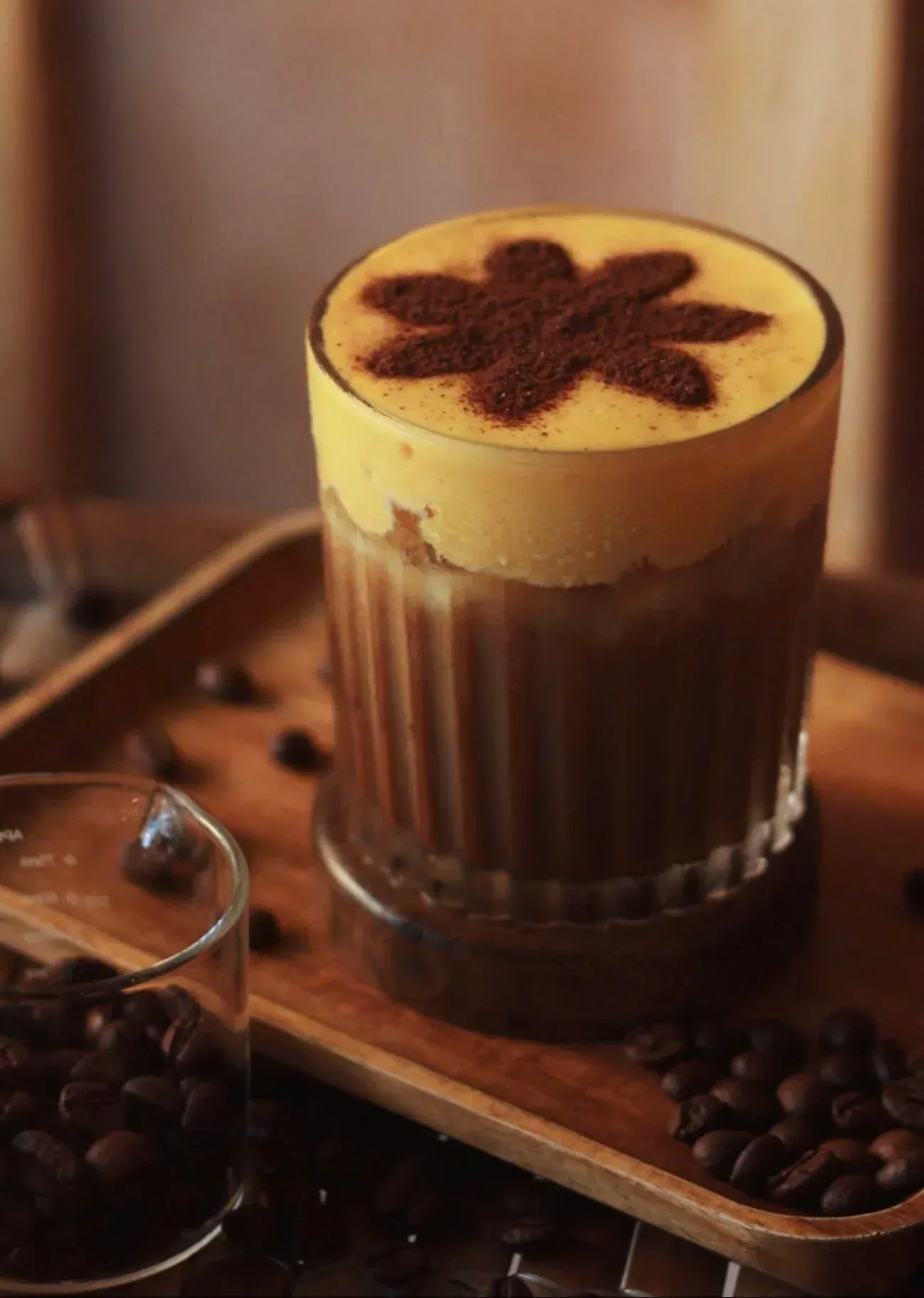
Sample photograph — replace with your own. It is here to show how an inline image sits inside the reading column on both desktop and phone.
Choosing one for how you brew
The practical difference is density. A dark bean has lost more mass and is more porous, so water pulls compounds out of it faster. Use the same grind you use for a light roast and you will over-extract it into bitterness.
Go one step coarser for dark roasts, one step finer for light ones, and change the grind before you change anything else.